Addiction Rehab Centres - Rehabs Toronto
Rehabilitation Centers in Toronto, Ontario
About Addiction Rehab Centres - Rehabs Toronto
Addiction Rehab Centres - Rehabs Toronto is a Canadian referral service dedicated to connecting individuals with the most suitable alcohol and drug addiction treatment programs. They simplify the complex landscape of addiction services, offering personalized guidance to find the right program based on individual needs and circumstances, available 24/7.
Specializations
- Addiction Treatment
- Alcohol Addiction
- Drug Addiction
- Mental Health Challenges
Care Levels Provided
- Rehabilitation
Photos



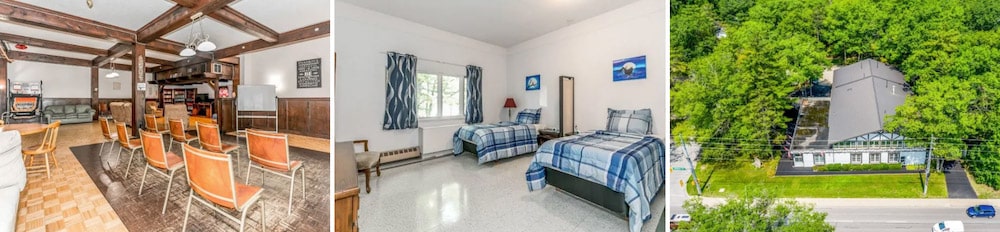
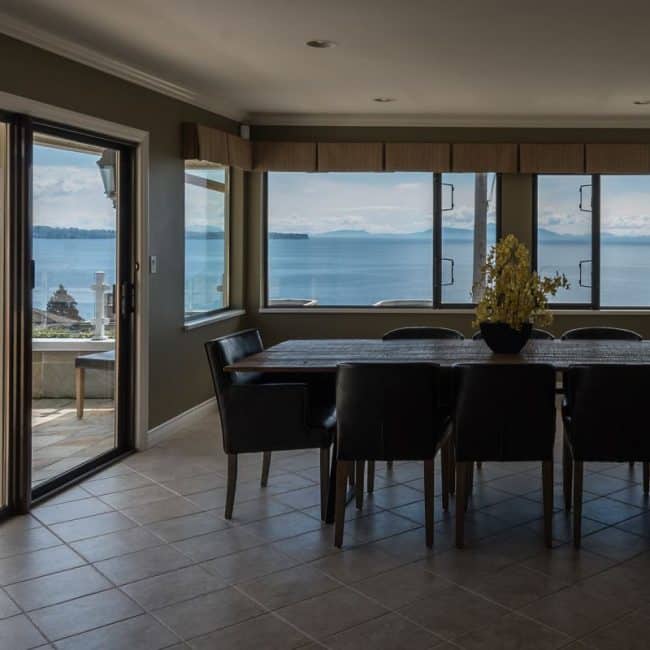
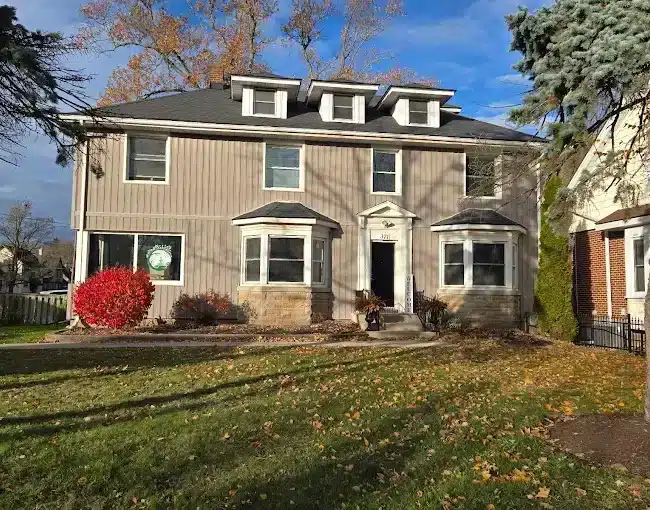
About Rehabilitation Centers in Toronto, Ontario
Families searching for rehabilitation centers in Toronto, Ontario typically weigh location, staffing, licensing record, monthly cost, and the way each community feels in person. Visiting more than once, asking about staff turnover, and reviewing the most recent state or provincial inspection report are the steps most likely to surface problems before they affect a loved one. The providers below serve the Toronto area; we encourage tours, calls, and questions before deciding.
About rehabilitation centers
Rehabilitation centers help adults recover from a hospital stay, surgery, stroke, or injury through physical therapy, occupational therapy, speech therapy, and skilled nursing. Inpatient programs (often inside a skilled nursing facility or a free-standing rehab hospital) provide intensive daily therapy; outpatient programs serve adults living at home.
What to look for in rehabilitation centers
For inpatient rehab after a hospital stay, ask the hospital discharge planner for facilities the hospital trusts and check Medicare Care Compare for star ratings and outcome measures (rehospitalization rate, successful discharge to home). Ask the facility how many therapy hours per day each patient typically receives — true inpatient rehabilitation hospitals provide three hours per day, five days a week; sub-acute rehab in a skilled nursing facility is usually less intense. Ask how often the medical director rounds and whether there is a doctor in the building overnight. For outpatient rehabilitation, ask about wait time for the first appointment, whether they accept your insurance, and whether therapy will be one-on-one or in a group setting. Verify the therapists' credentials.
Cost & payment
Medicare Part A covers up to 100 days of skilled-nursing rehabilitation after a qualifying 3-day hospital stay, with daily cost-sharing after day 20. Medicare Part B covers outpatient therapy. Private insurance and Medicaid generally cover rehabilitation when medically necessary; coverage depth varies. In Canada, hospital-based and publicly-funded outpatient rehabilitation are covered by provincial health plans.
Frequently Asked Questions
What is the difference between an inpatient rehabilitation hospital and a skilled nursing facility?
An inpatient rehab hospital (IRF) is licensed for intensive rehabilitation — patients receive at least 3 hours of therapy per day, 5 days a week, with daily physician oversight. A skilled nursing facility (SNF) provides lower-intensity rehab plus skilled nursing care, typically 1-2 hours of therapy per day.
Does Medicare pay for rehabilitation?
Yes. Medicare Part A covers up to 100 days of skilled-nursing rehabilitation following a qualifying 3-day hospital stay (with cost-sharing after day 20). Medicare Part B covers medically necessary outpatient therapy. Inpatient rehabilitation hospitals are also covered by Part A.
How long is a typical rehabilitation stay?
Inpatient rehab hospital stays average 10-14 days. Sub-acute rehab in a skilled nursing facility averages 20-30 days. Stays vary widely based on the condition, progress, and the patient's pre-hospitalization function.
What kinds of conditions are treated in rehabilitation?
Stroke, hip and knee replacement, cardiac and pulmonary recovery, traumatic brain injury, spinal-cord injury, amputation, and deconditioning after a major illness or surgery are the most common. The patient must be able to tolerate and benefit from intensive therapy.
Can someone return to rehab if they don't fully recover the first time?
Yes. Medicare coverage resets after 60 consecutive days without skilled care. Patients can also receive additional outpatient therapy or home-health therapy after the inpatient stay ends.